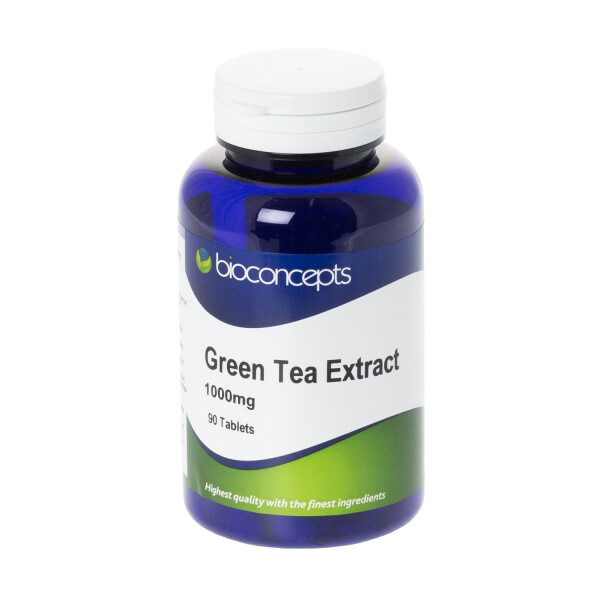
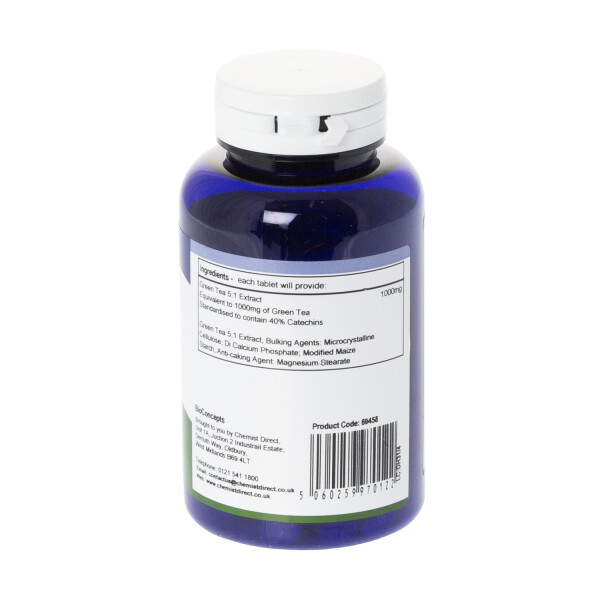
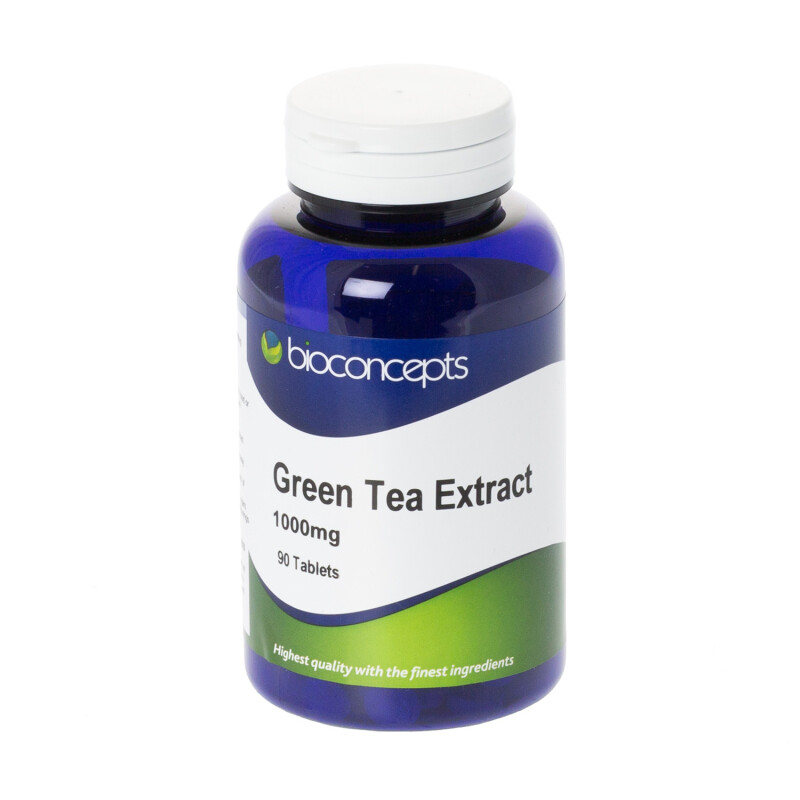
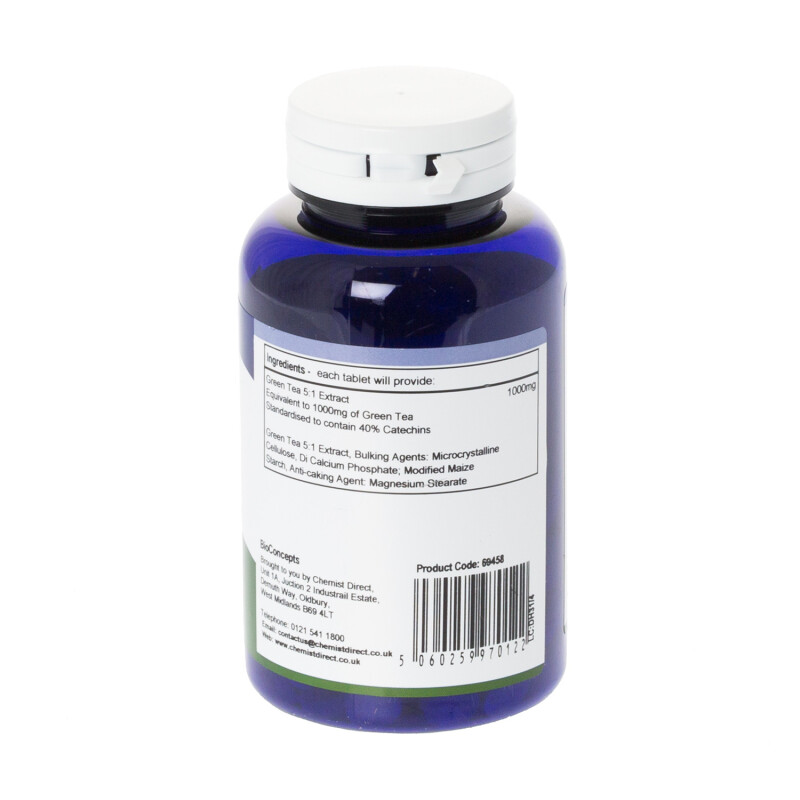
Green tea contains oils, vitamins, minerals, and caffeine, but the primary constituents of interest are the polyphenols, particularly the Catechin called EpigallocatechinGallate (EGCG). These polyphenols are believed to be responsible for most of green tea's role in promoting good health.
- Green Tea extract is a natural antioxidant
- May help weight loss
- May help lower cholesterol
- Green Tea extract promotes good overall health
What is Green Tea?
Green tea is made solely with the leaves of Camellia Sinensis that have undergone minimal oxidation during processing. Over the last few decades green tea has been subjected to many scientific and medical studies to determine the extent of its long-purported health benefits, with some evidence suggesting that regular green tea drinkers may have a lower risk of developing heart disease and certain types of cancer.
Although green tea does not raise the metabolic rate enough to produce immediate weight loss, a green tea extract containing polyphenols and caffeine has been shown to induce thermogenesis and stimulate fat oxidation, boosting the metabolic rate 4% without increasing the heart rate thus helping to support effective weight loss.
Why take Green Tea Extract?
The potent antioxidant properties within Green Tea suggest that it may have positive effects upon cardiovascular health. This is due to the polyphenols (antioxidants that stabilise free radicals within the body) which help to reduce cholesterol absorption & plasma triglycerides, as well as having an anti-inflammatory effect upon the vessel walls. Arterial inflammation is one of the major causes of arterial hardening and heart disease.
Take Green Tea Extract if you want:
- To lower cholesterol levels as the polyphenols may help to decrease the absorption of cholesterol.
- A natural aid to weight loss as the polyphenols may help with the digestion of fat.
Recent Studies
Green Tea possess heart health properties
A study conducted by Tosca L. Zern et al titled 'Cardioprotective Effects of Dietary Polyphenols' published in the Journal of Nutrition 2005 found that in addition to reducing cholesterol absorption,
polyphenols reduce plasma triglycerides and have anti-inflammatory effects upon blood vessels.
A 2010 review by Basu et al in the "Journal of the American College of Nutrition" titled 'Green tea supplementation affects body weight, lipids, and lipid peroxidation in obese subjects with metabolic syndrome' reports that
green tea provides beneficial effects to people who suffer from metabolic syndrome - a group of traits that include abdominal obesity, insulin resistance,high blood pressure and abnormal blood lipids.
Metabolic syndrome has been demonstrated as one of the major risk factors for coronary heart disease, and remedies that help improve this syndrome have been shown to lessen the risk for heart disease.
The role of LDL cholesterol in arterial inflammation and atherosclerosis is well known. Reducing your LDL level is one of the most suggested therapies for people at risk for heart disease, as well as those who already have it. A 2009 review by McGowan et al in the "Current Atherosclerosis Reports" titled 'Nutritional supplements and serum lipids: does anything work?' suggested that
green tea catechins may lower LDL, and a 2010 study in the "Journal of Applied Physiology" titled 'EGCG protects against oxidized LDL-induced endothelial dysfunction by inhibiting LOX-1-mediated signaling' by Ou et al showed that
EGCG from green tea lessened the inflammatory damage that LDL causes to the cells that line your arteries.
Is Green Tea Extract right for me?
Green tea extract should prove beneficial to most people. The antioxidant properties within Green Tea have been shown to help reduce LDL cholesterol, which in turn improves the health of arterial walls and thus, the heart. Such properties also provide a thermogenesis effect upon the body which helps boost metabolism, thereby helps to support effective weight loss.